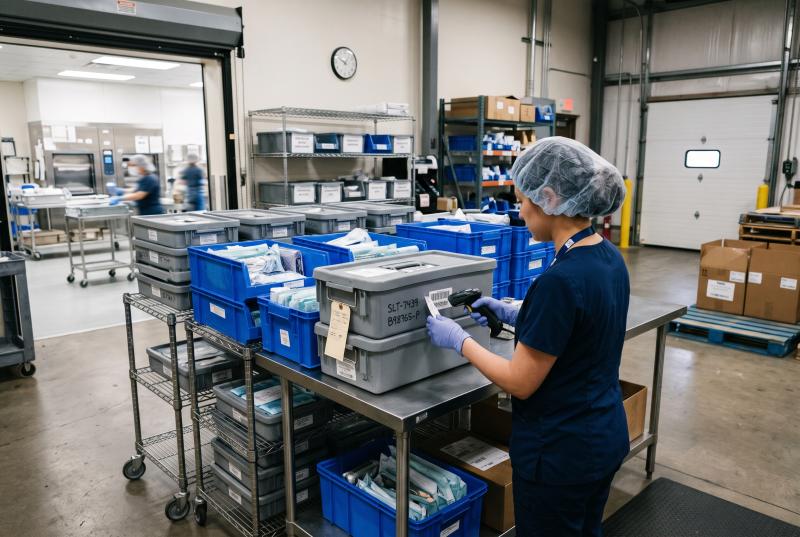
Dwell Time Is Becoming the Hidden Tax on Surgical Trays
As hospital supply costs rise, the next inventory question is not what a network owns. It is how long each tray sits between decontamination, dispatch, and the next case.

Stories & insight
Practical writing on loaner kits, scheduling, compliance and the day-to-day realities of getting the right asset to the right theatre.
As hospital supply costs rise, the next inventory question is not what a network owns. It is how long each tray sits between decontamination, dispatch, and the next case.
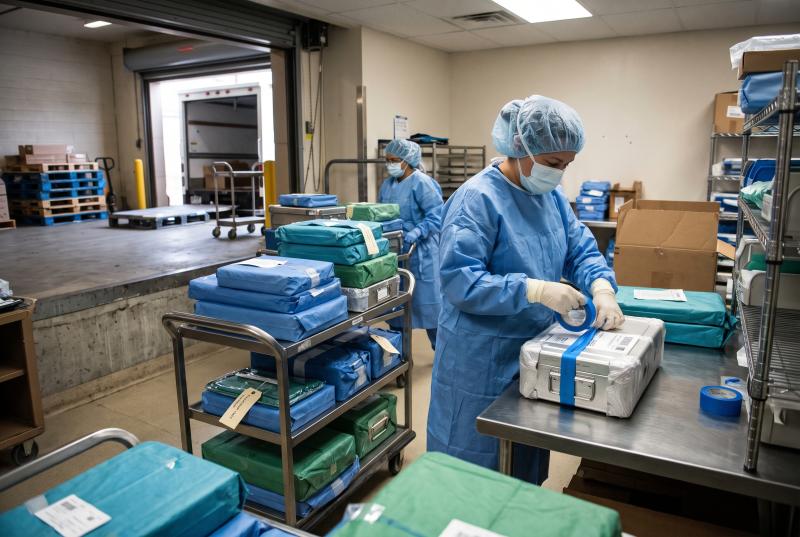
A 2026 AORN update puts new attention on off-site instrument transport. The operational question is not only whether a tray was processed, but whether anyone can prove where it is next.
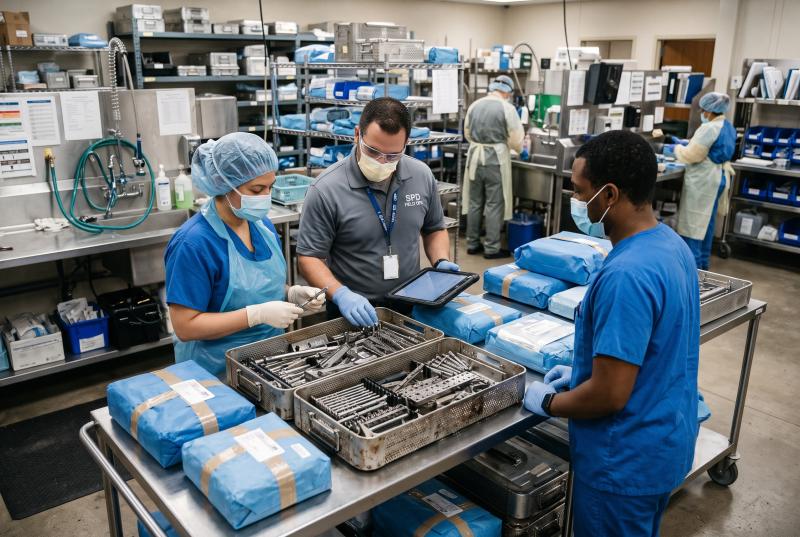
Tray rationalization is usually framed as a sterile processing savings exercise. The harder question is what oversized, hard-to-locate sets do to case readiness, loaner turns, and the teams moving inventory across sites.
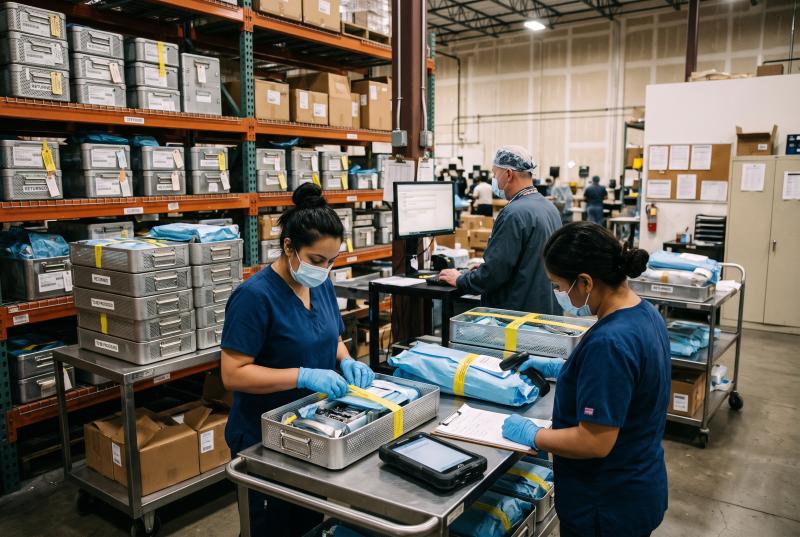
An unused loaner set can leave the hospital and still remain unavailable for the next case. The gap is not transportation. It is the missing operational record between return, inspection, reprocessing, and...
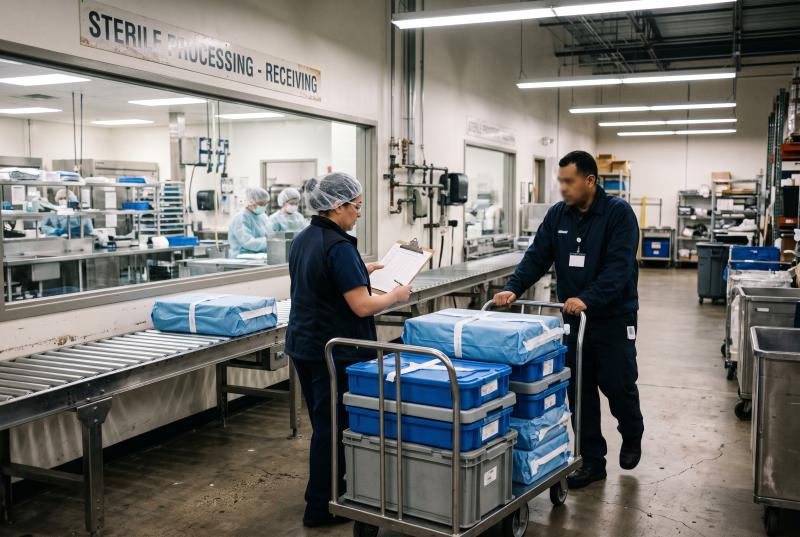
A 2026 AORN transport update puts new pressure on the handoffs between sterile processing, 3PLs, hospitals, and ASCs. The operational question is no longer only whether a tray moved, but whether anyone...
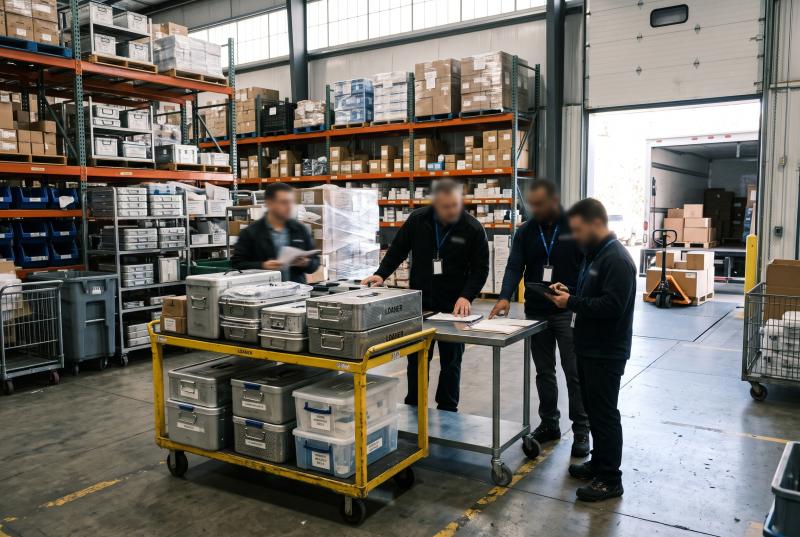
The Boston Scientific cyber incident showed how quickly order processing can become a clinical operations problem. For tray and loaner teams, the harder question is what remains unverified after the shipment is...
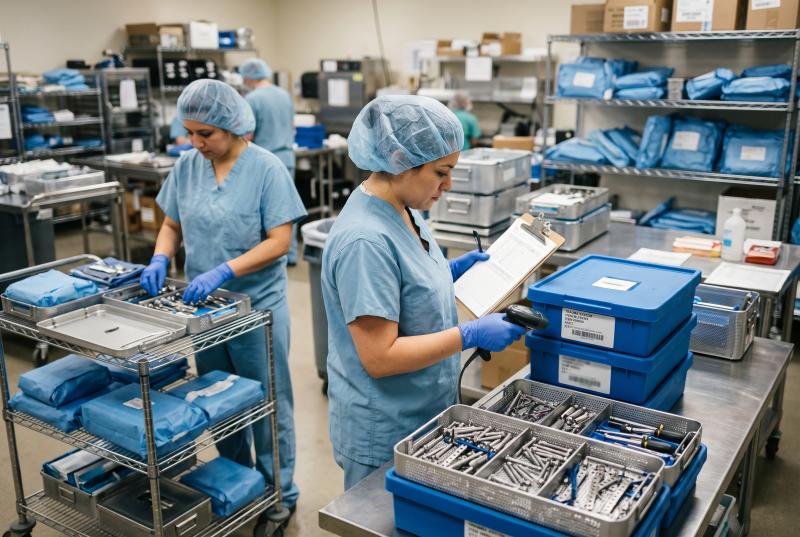
New U.S. research puts a price on reprocessing at scale. The next question for hospitals, distributors, and 3PLs is not only which trays are used, but which assets keep moving without producing...
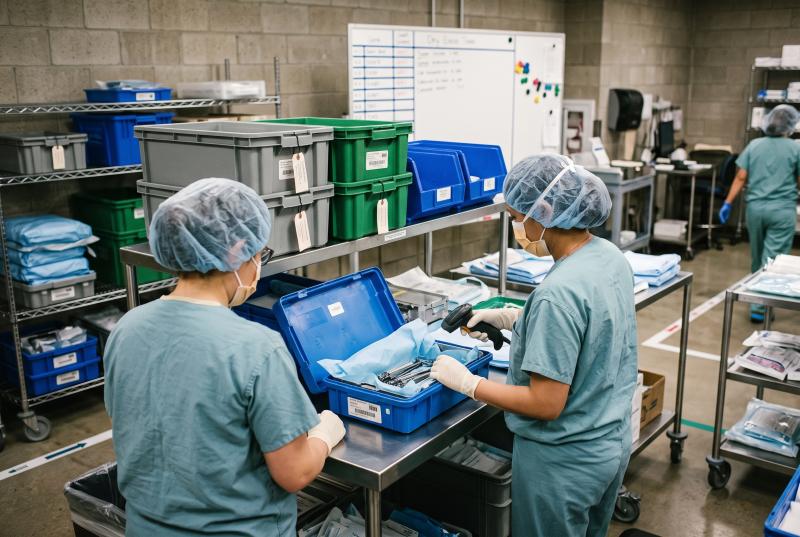
CMS is proposing more outpatient volume while ASC payment pressure keeps tightening. The operational question is no longer whether a tray is owned or loaned. It is whether the set returns, clears...
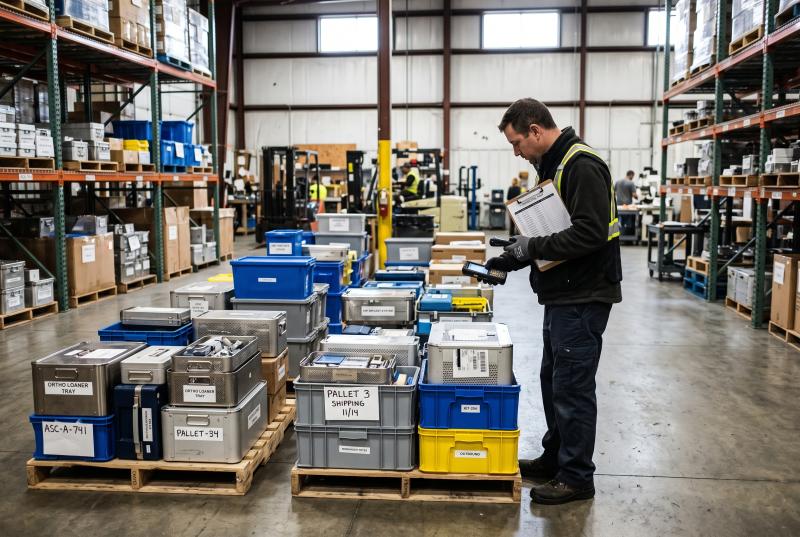
As outpatient surgery expands across hospitals, ASCs, distributors, and 3PLs, the expensive question is no longer whether a tray exists. It is where that tray should move next, and who can see...
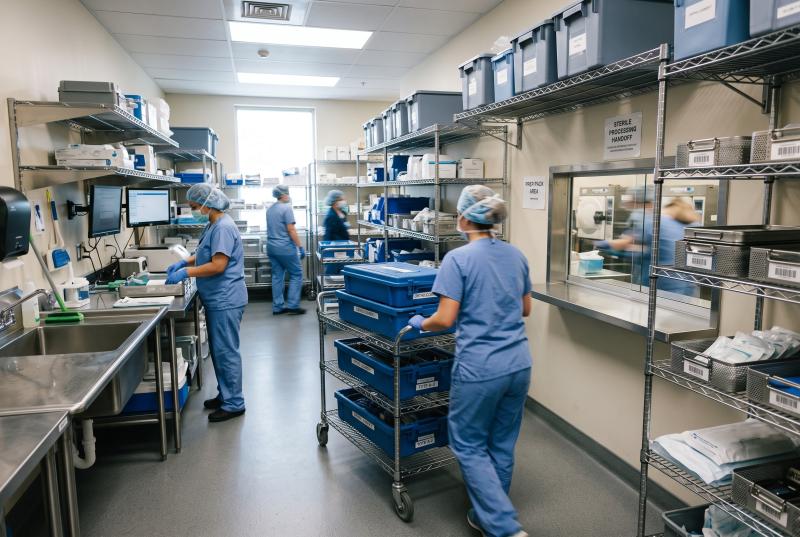
CMS is proposing more outpatient flexibility while health systems keep adding ASC capacity. The operational question is no longer how many trays a network owns, but whether teams can see which sets...
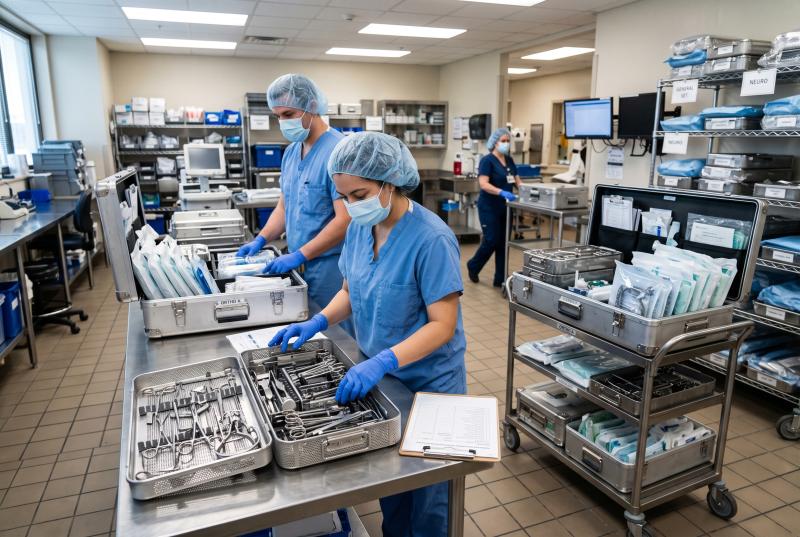
Device shortages are pushing hospitals and ASCs toward alternate sets. The operational risk is not choosing a substitute. It is losing track of what changed, where the set is, and whether the...
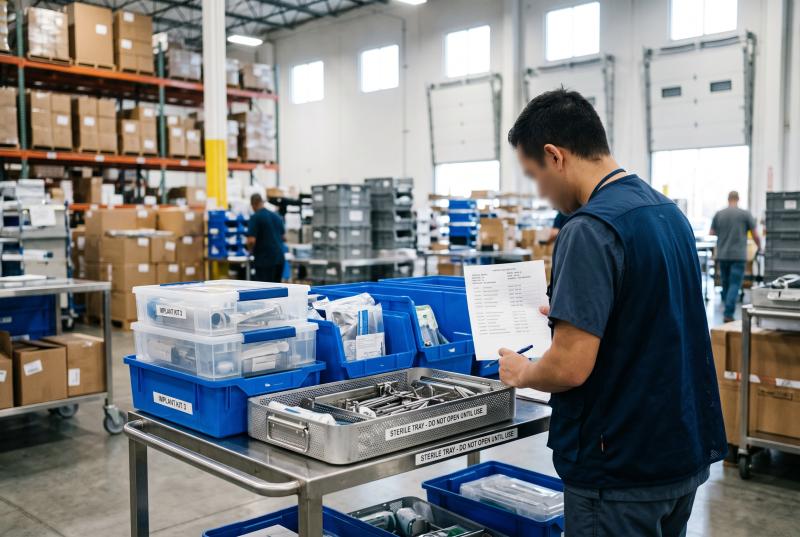
FDA shortage updates tell the market what may be unavailable. They do not tell a 3PL, hospital, or ASC which substitute set is complete, where it is, or whether the case can...
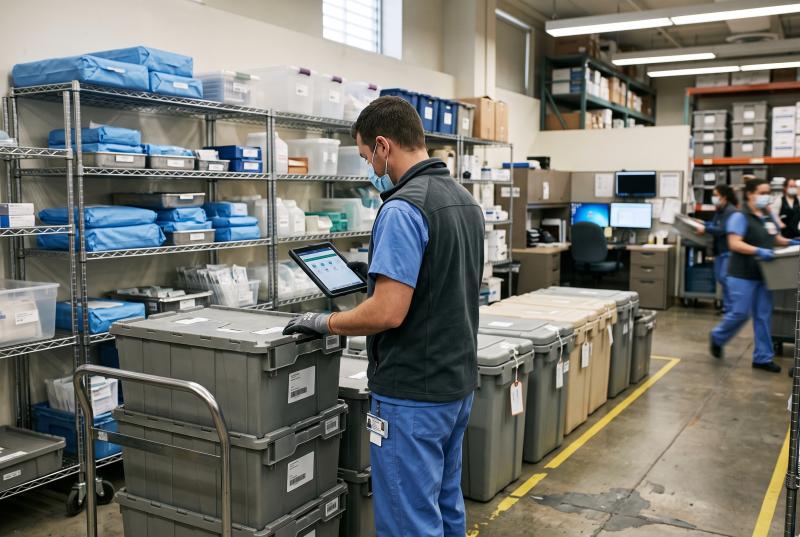
When critical devices move into shortage, procurement status is only half the operational picture. The harder question is whether the usable kit can be found, verified, and moved before the case.
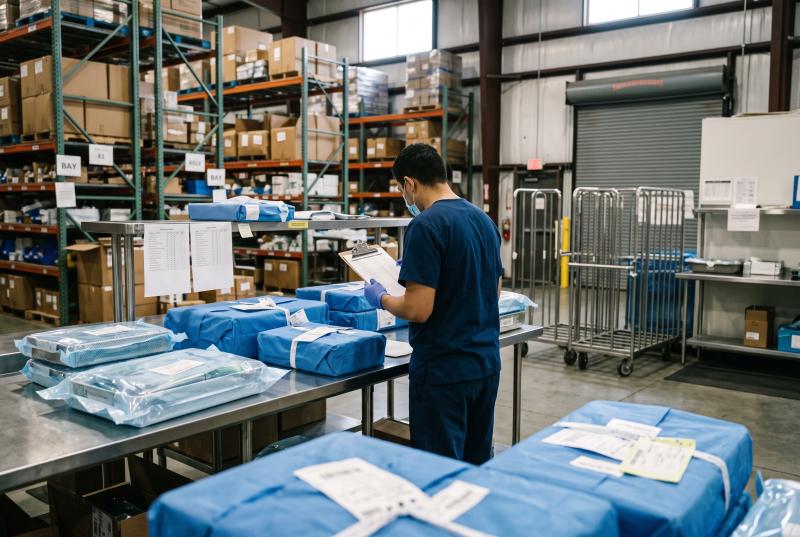
CMS proposed removing 638 services from the inpatient only list for 2027. The operational challenge is not simply where a procedure happens, but whether the right tray, loaner, and implant inventory can...
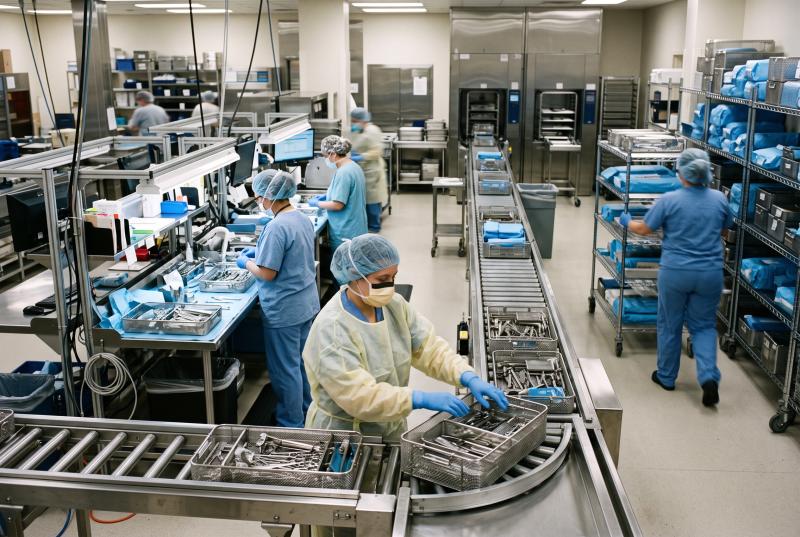
Surgical technologist and sterile processing shortages are exposing a simple operational truth: every missing tray creates work for the people a health system can least afford to pull away from the case.
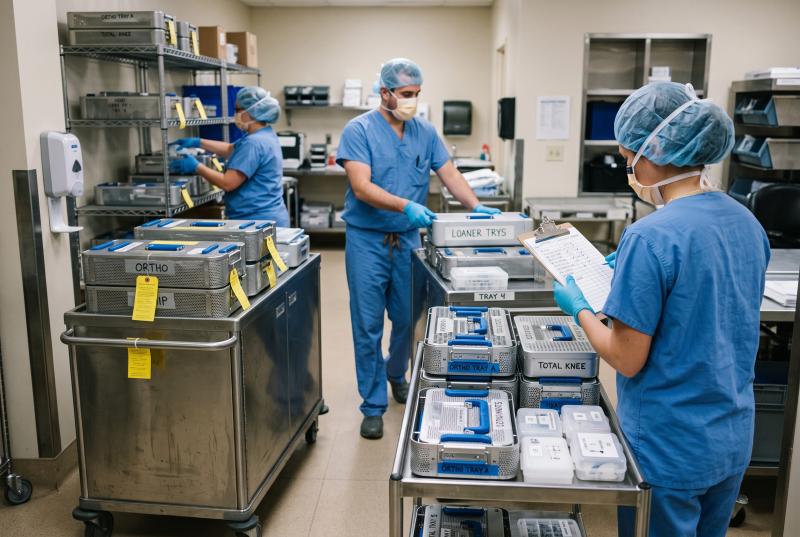
CMS is proposing another major shift of surgery into ASCs. The operational question is whether trays, implants, and loaner sets can move with the cases.
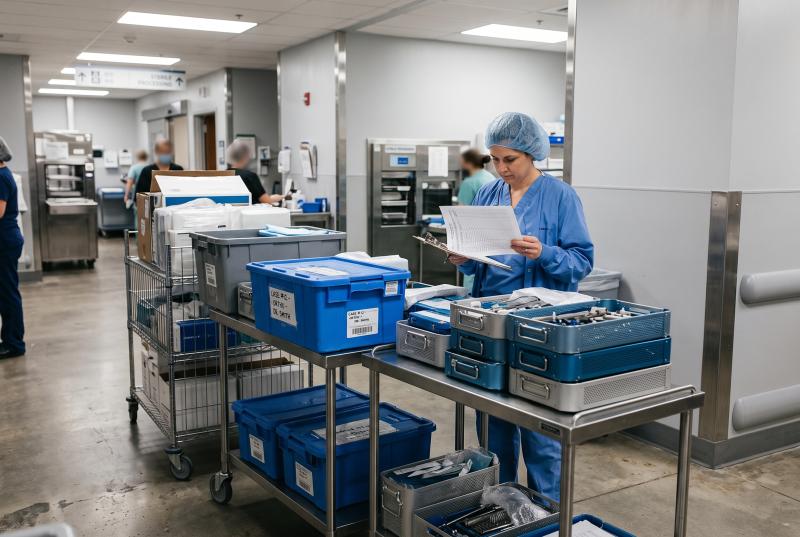
As more orthopedic cases move into ASCs, operators need to separate what is moving from what is being used before they decide which trays to own and which to borrow.
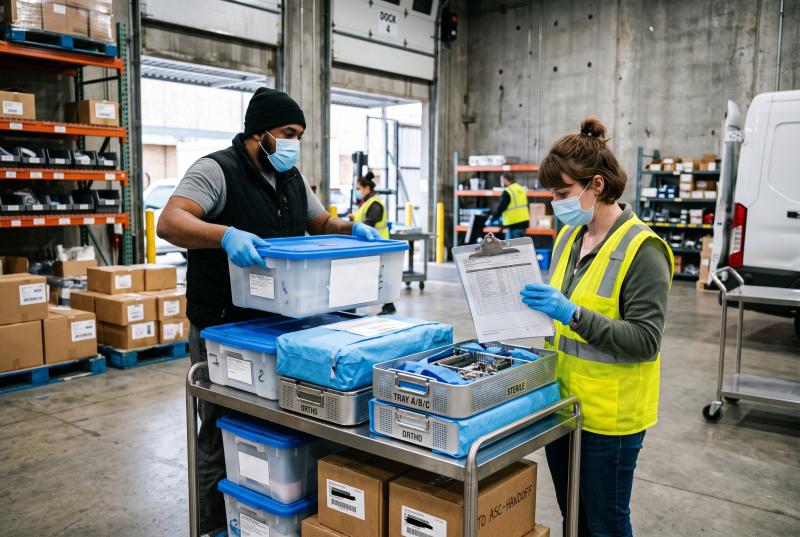
As CMS continues moving procedures into ambulatory settings, the operational question is no longer whether an ASC can schedule the case. It is whether the implant kit, loaner tray, and supporting paperwork...
No stories in this category yet.
Book a quick demo. No pressure, no pitch deck — just the product.
Or reach out at [email protected]