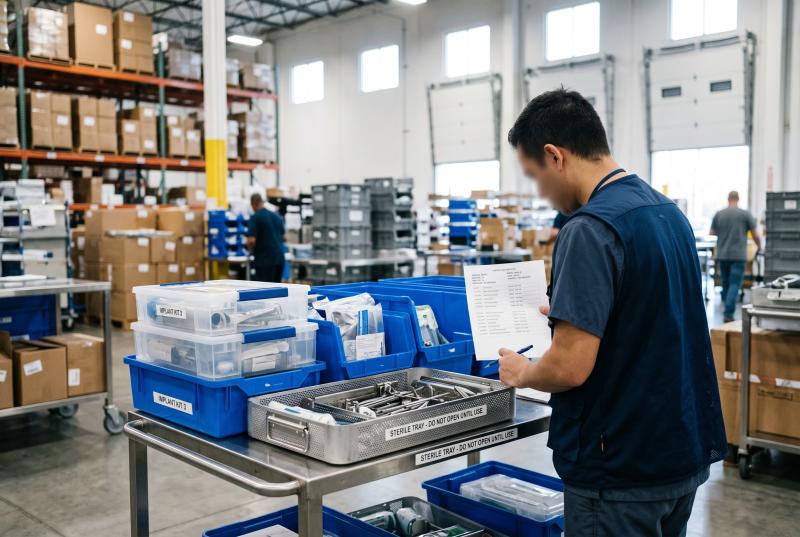
The Shortage Notice Is Not a Case-Readiness Plan
FDA shortage updates tell the market what may be unavailable. They do not tell a 3PL, hospital, or ASC which substitute set is complete, where it is, or whether the case can...

Stories & insight
Practical writing on loaner kits, scheduling, compliance and the day-to-day realities of getting the right asset to the right theatre.
FDA shortage updates tell the market what may be unavailable. They do not tell a 3PL, hospital, or ASC which substitute set is complete, where it is, or whether the case can...
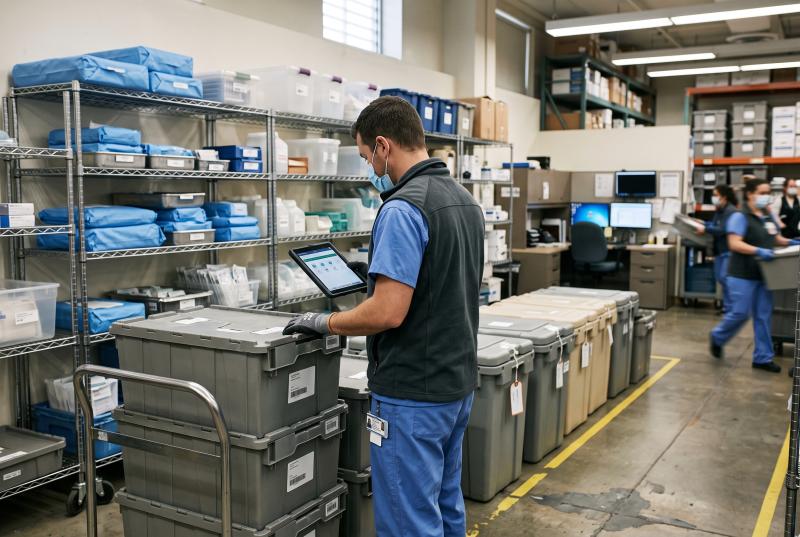
When critical devices move into shortage, procurement status is only half the operational picture. The harder question is whether the usable kit can be found, verified, and moved before the case.
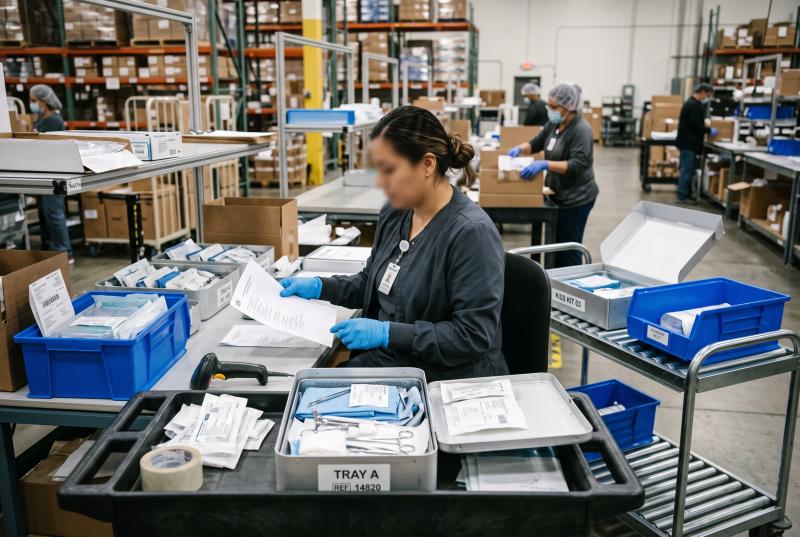
Recent FDA convenience kit corrections show why asset location and component readiness are different operational questions.
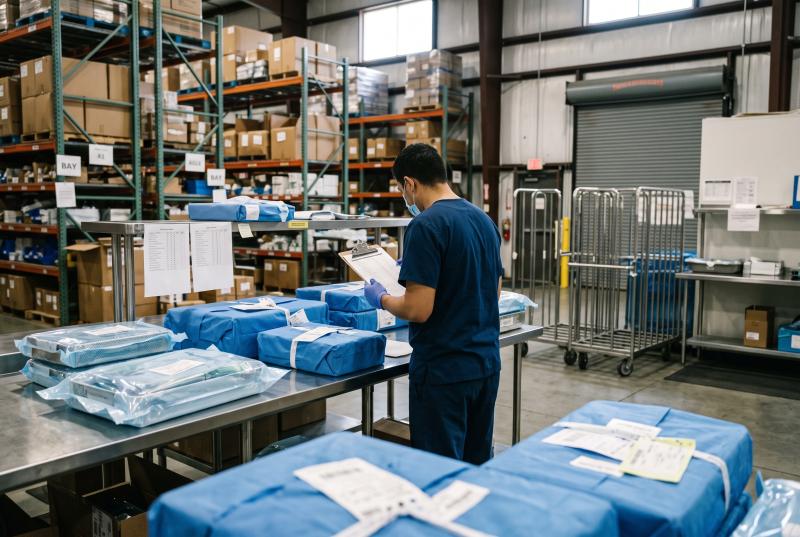
CMS proposed removing 638 services from the inpatient only list for 2027. The operational challenge is not simply where a procedure happens, but whether the right tray, loaner, and implant inventory can...
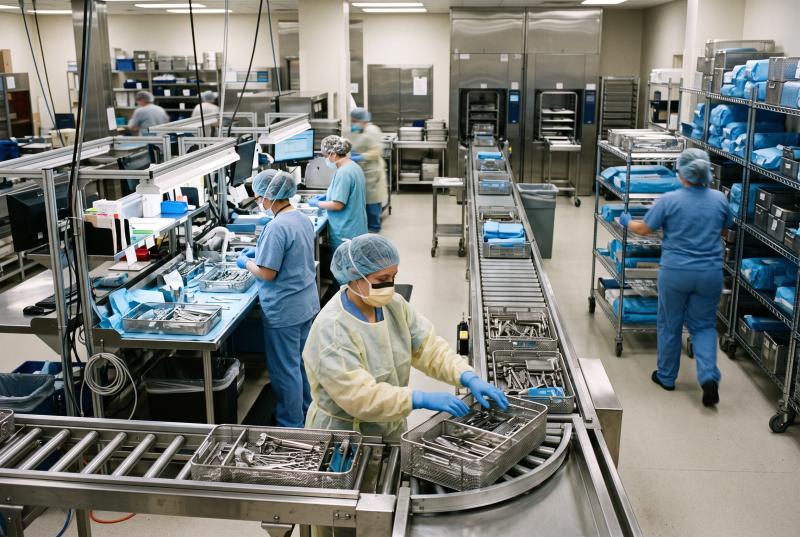
Surgical technologist and sterile processing shortages are exposing a simple operational truth: every missing tray creates work for the people a health system can least afford to pull away from the case.
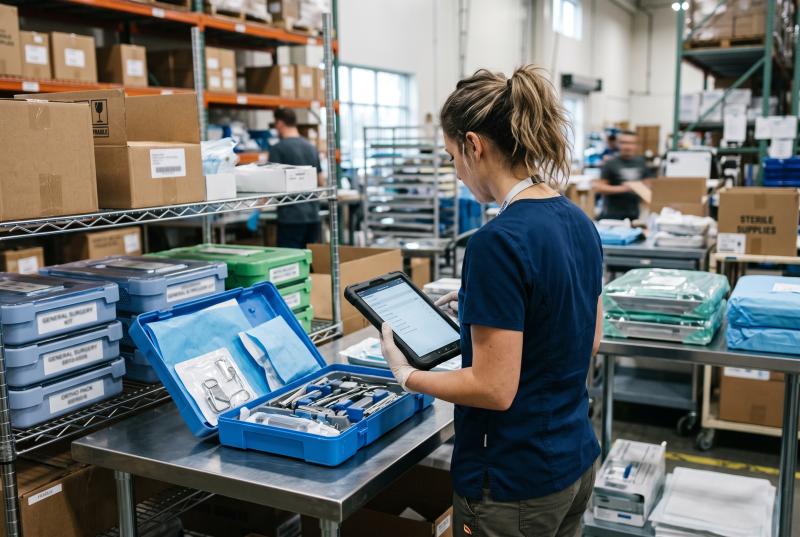
A run of 2026 FDA convenience-kit corrections points to a quieter operational problem: knowing where the container is does not prove what is still inside it.
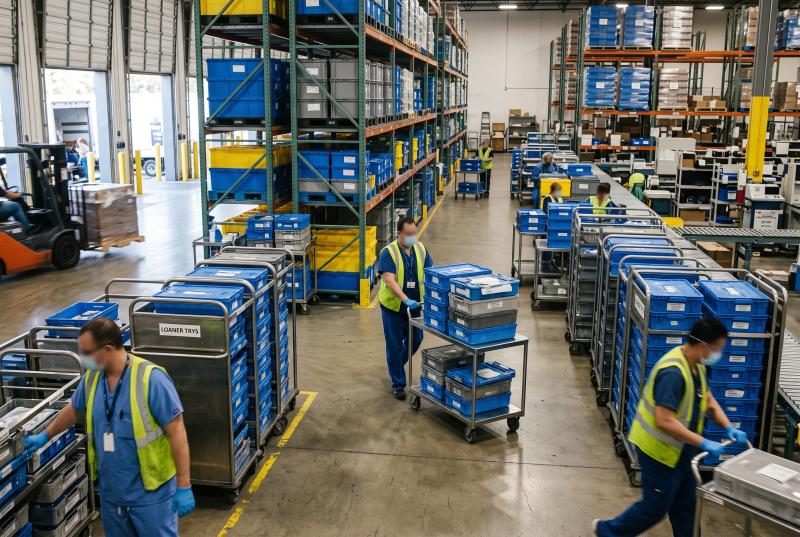
A distributed loaner network can move thousands of kits across states. The hard part is proving which physical kit is where, what it contains, and whether it was quarantined.
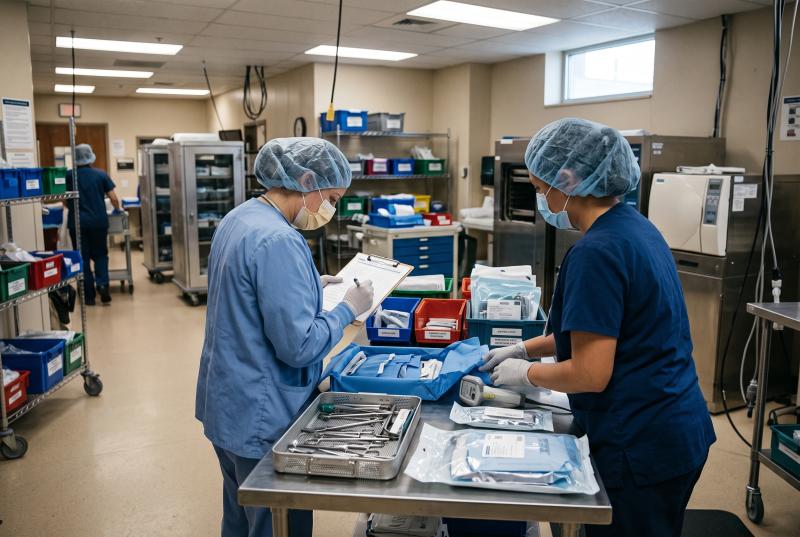
Repeated 2026 convenience kit corrections are exposing a quieter operations problem: teams can identify the affected component without knowing which physical kits, trays, or sites still hold it.

CMS has finalized a new UDI reporting measure for 2027. The operational test will happen earlier, when distributors, field teams, and hospital staff try to reconcile what moved, what was used, and...
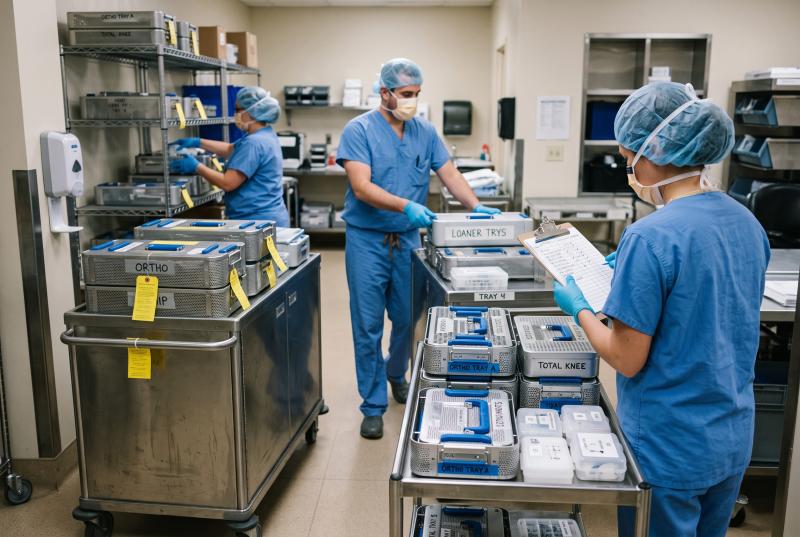
CMS is proposing another major shift of surgery into ASCs. The operational question is whether trays, implants, and loaner sets can move with the cases.
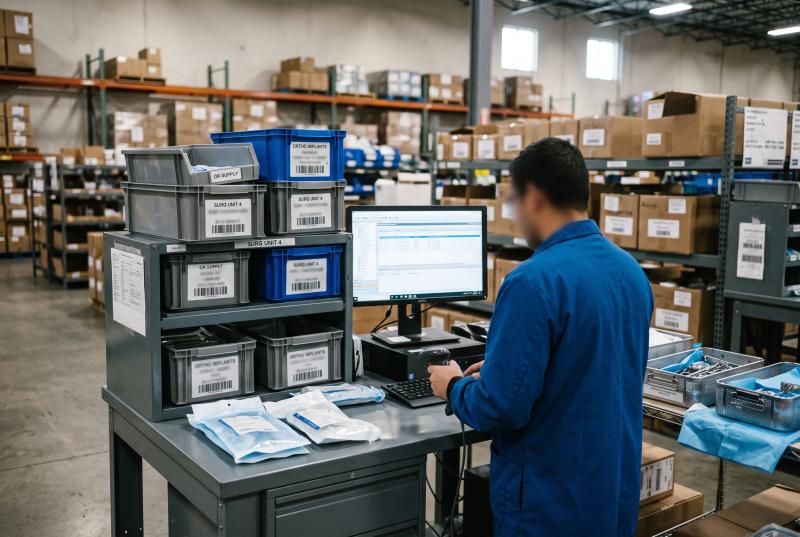
The new UDI measure is not a mandate for barcode, BLE, or RTLS technology. It is a stronger signal that hospitals, manufacturers, and distributors need reliable device data from inventory through implantation.
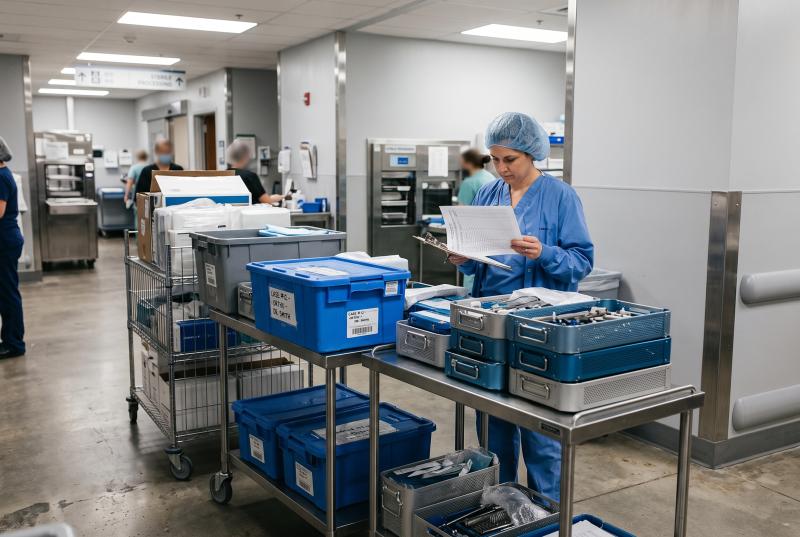
As more orthopedic cases move into ASCs, operators need to separate what is moving from what is being used before they decide which trays to own and which to borrow.
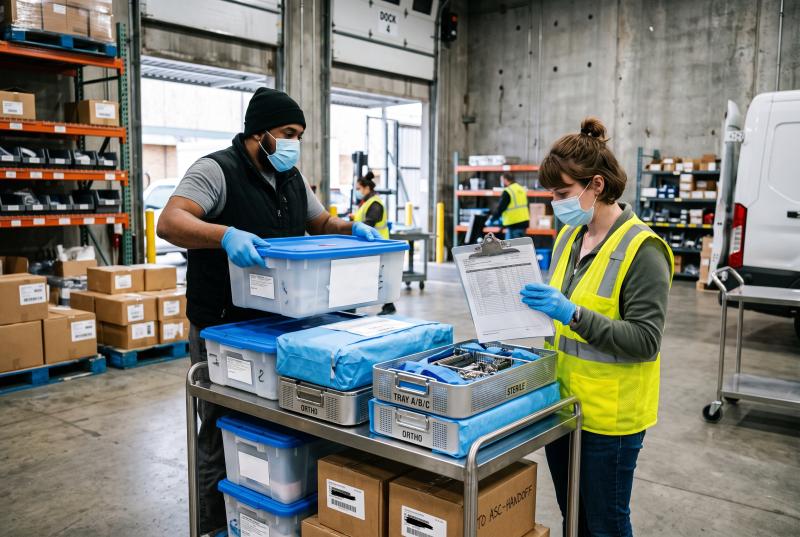
As CMS continues moving procedures into ambulatory settings, the operational question is no longer whether an ASC can schedule the case. It is whether the implant kit, loaner tray, and supporting paperwork...
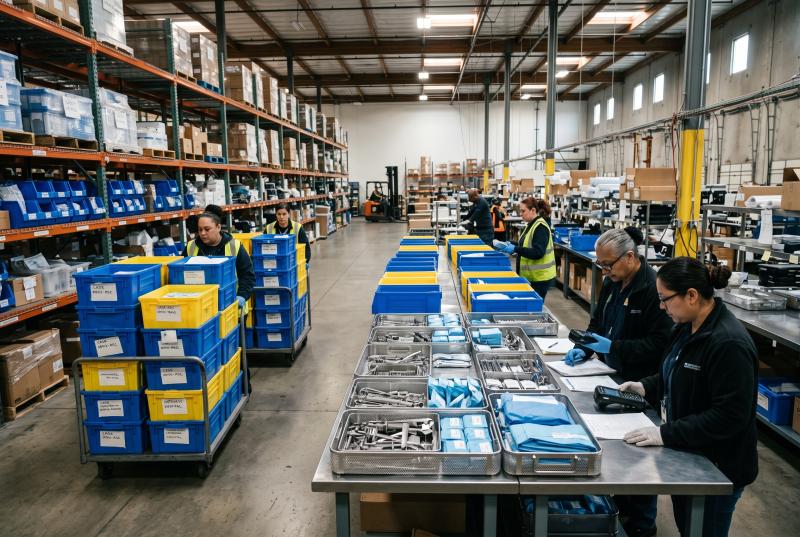
The first hours of a tray or kit recall are usually treated as a documentation exercise. In practice, they are a location problem spread across warehouses, hospitals, ASCs, sterile processing, and the...
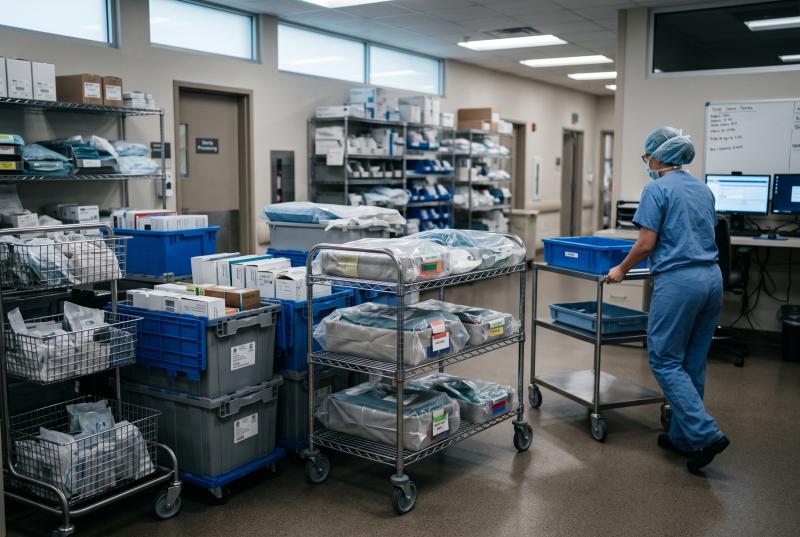
As more complex procedures move into ambulatory surgery centers, device teams need to know which sets are earning their place, which are idle, and which are simply hard to find.

The FDA’s new quality system framework raises the standard for manufacturer oversight. It also exposes a quieter operational weakness: teams still cannot reliably say where critical trays, loan sets, and implant inventory...
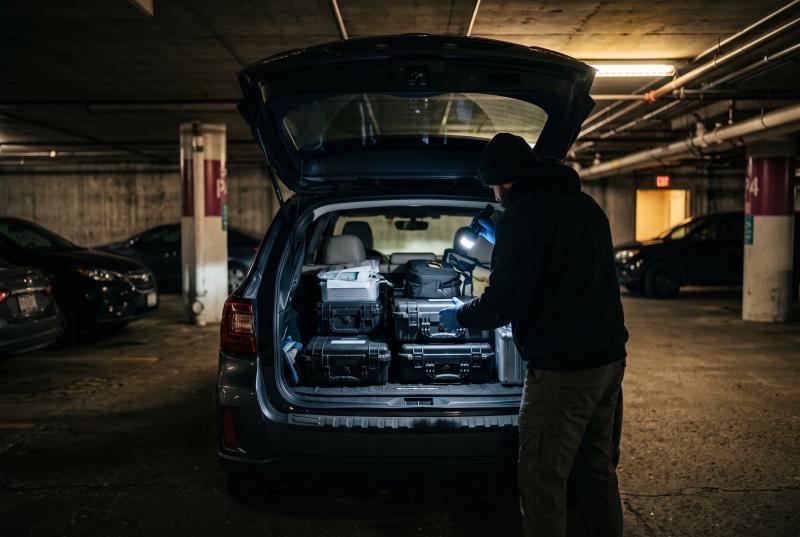
Field inventory visibility doesn't end at the hospital dock. It ends the moment nobody's system is watching, and reps have quietly been asked to fill that gap with memory and a flashlight.
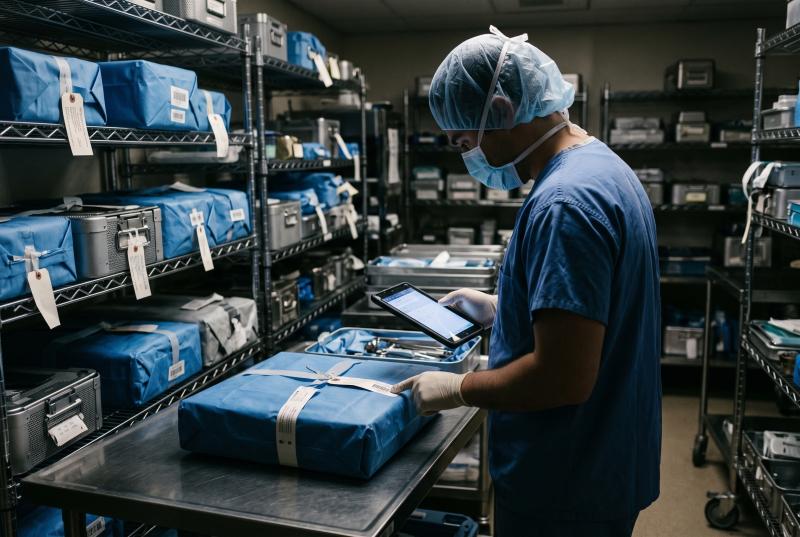
First case delays keep getting blamed on staffing and surgeons, but the real gap is between what the block schedule promises and what anyone can actually prove is ready.
No stories in this category yet.
Book a quick demo. No pressure, no pitch deck — just the product.
Or reach out at [email protected]