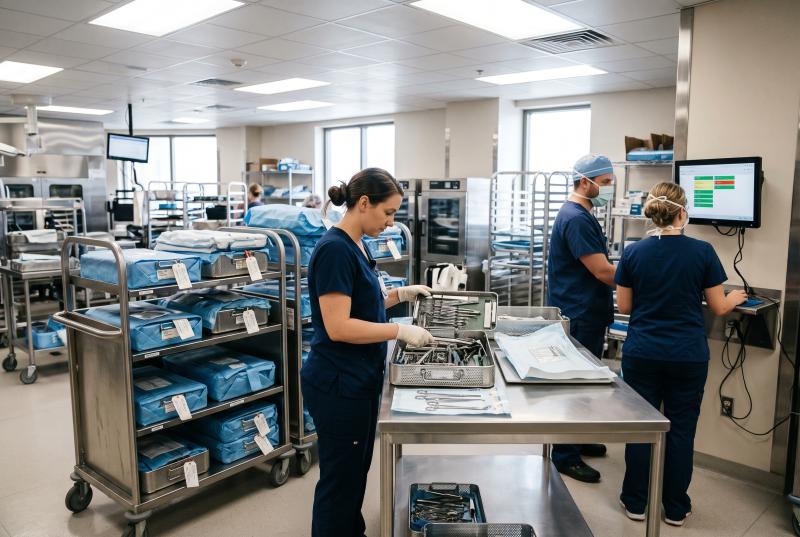
A Tray Can Be Ready and Still Be Wrong
A 2026 FDA correction involving 544 surgical trays shows why sterile processing needs exception history, not just a green ready status.

Stories & insight
Practical writing on loaner kits, scheduling, compliance and the day-to-day realities of getting the right asset to the right theatre.
A 2026 FDA correction involving 544 surgical trays shows why sterile processing needs exception history, not just a green ready status.
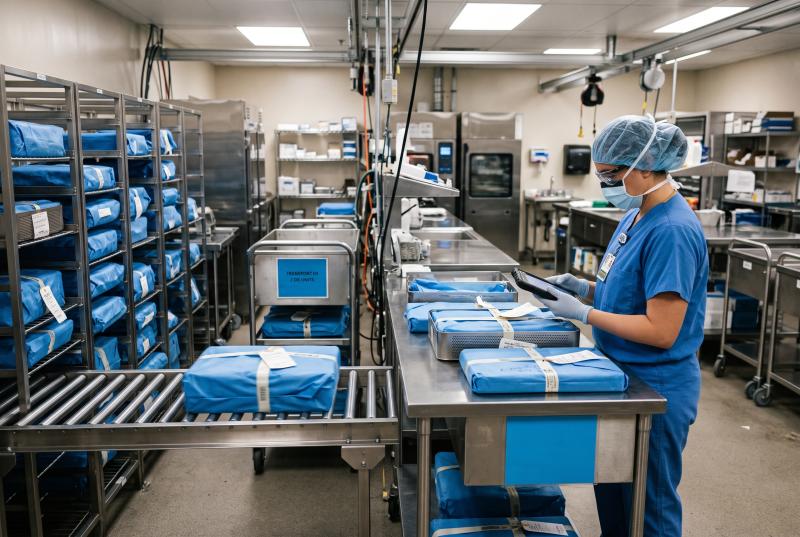
Recent sterile processing disruptions show why case readiness has to include location, custody, reprocessing status, and the next handoff, not just a label that says ready.
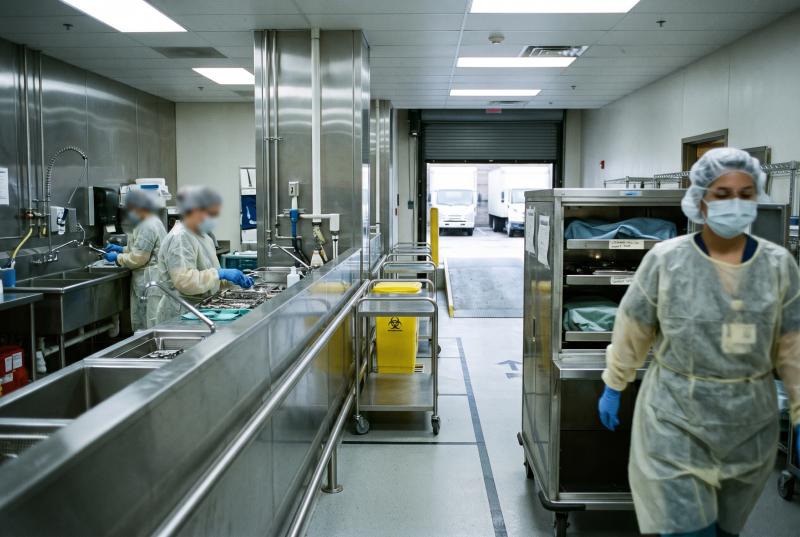
New instrument-cleaning guidance puts off-site transport, shock, vibration, and environmental controls inside the case-readiness conversation. The operational gap is knowing where the tray is while those controls are supposed to happen.
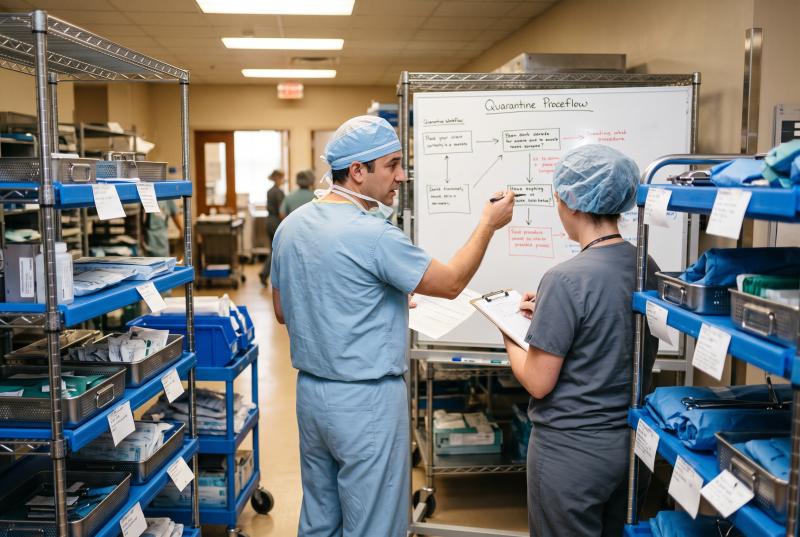
The latest FDA alert shows why locating an affected kit is only the first step. The harder job is keeping location, processing status, case assignment, and routing priority connected until the asset...
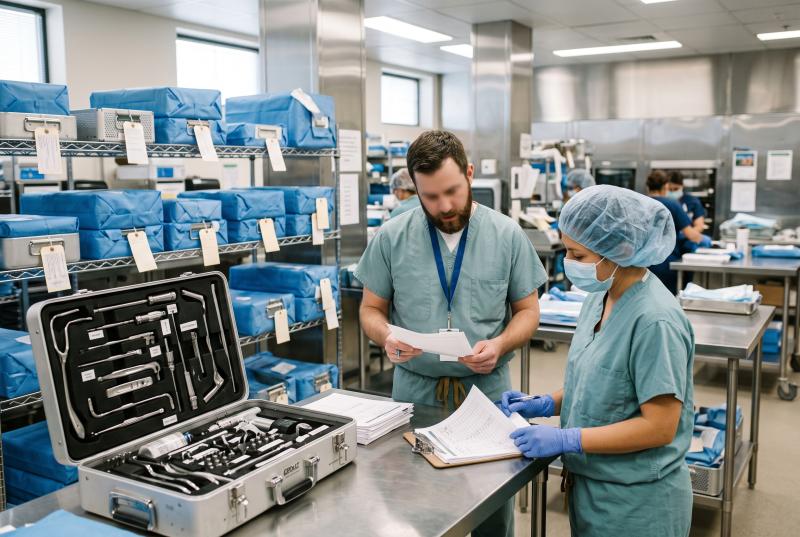
A recent FDA correction involving Triathlon instrument trays shows why knowing where a set is matters less if nobody knows whether it is cleared for the next case.
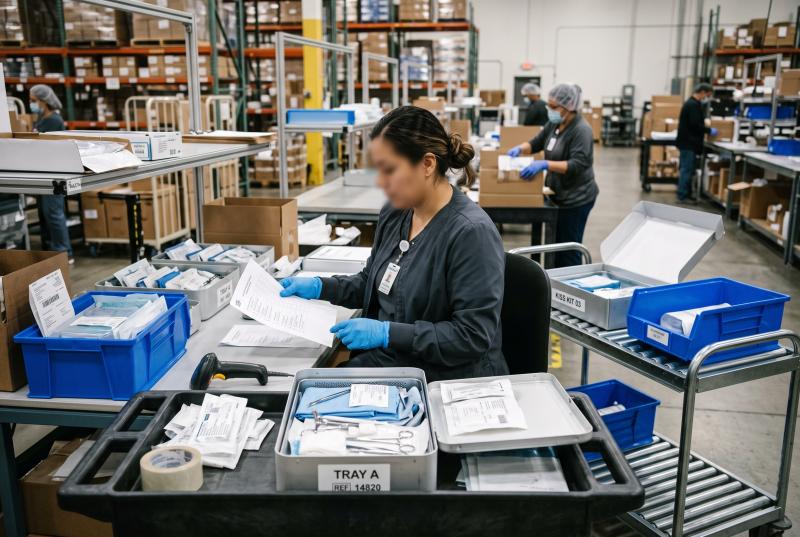
Recent FDA convenience kit corrections show why asset location and component readiness are different operational questions.
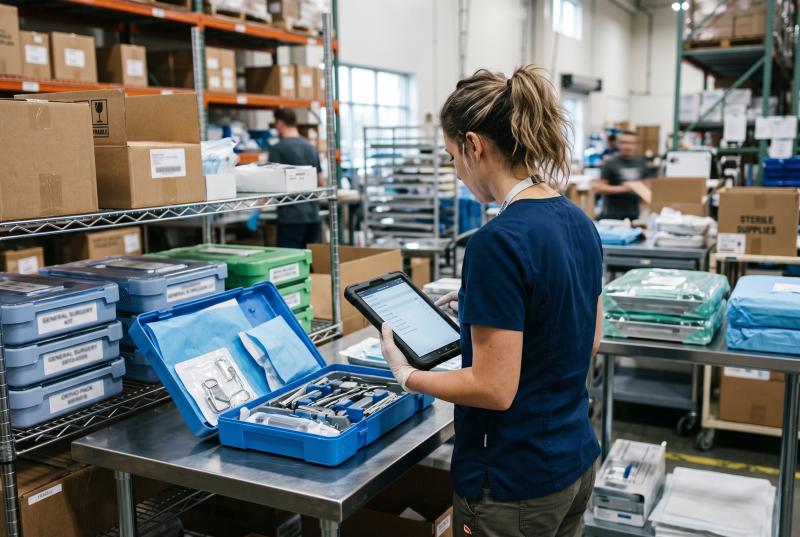
A run of 2026 FDA convenience-kit corrections points to a quieter operational problem: knowing where the container is does not prove what is still inside it.
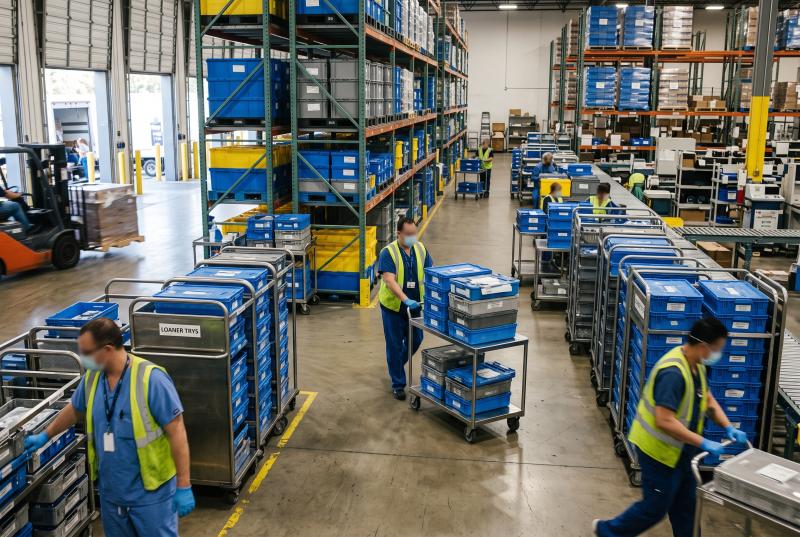
A distributed loaner network can move thousands of kits across states. The hard part is proving which physical kit is where, what it contains, and whether it was quarantined.
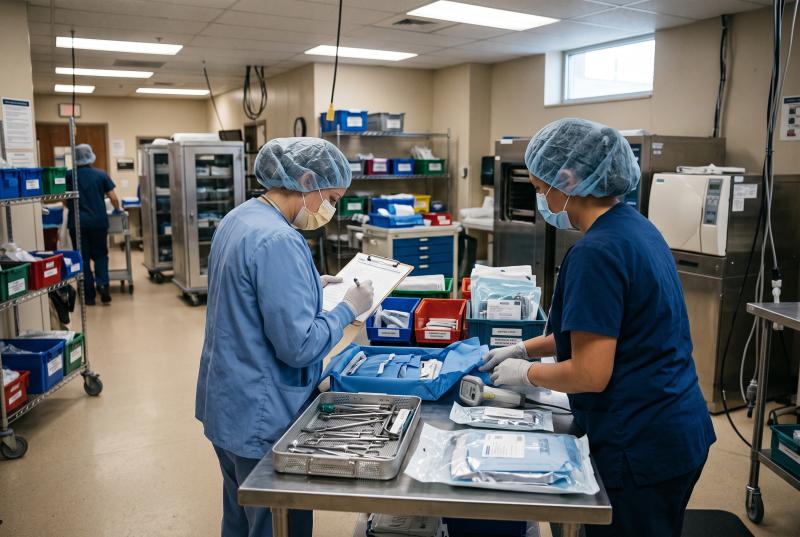
Repeated 2026 convenience kit corrections are exposing a quieter operations problem: teams can identify the affected component without knowing which physical kits, trays, or sites still hold it.
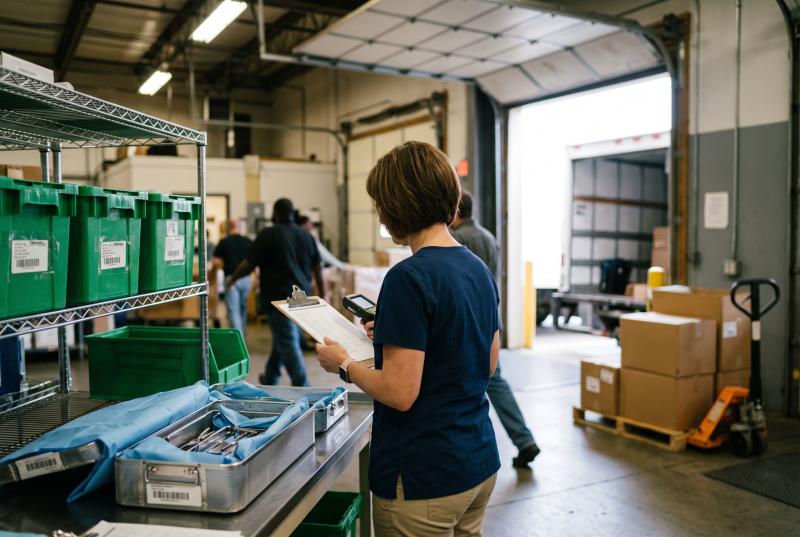
CMS has finalized a new UDI reporting measure for 2027. The operational test will happen earlier, when distributors, field teams, and hospital staff try to reconcile what moved, what was used, and...
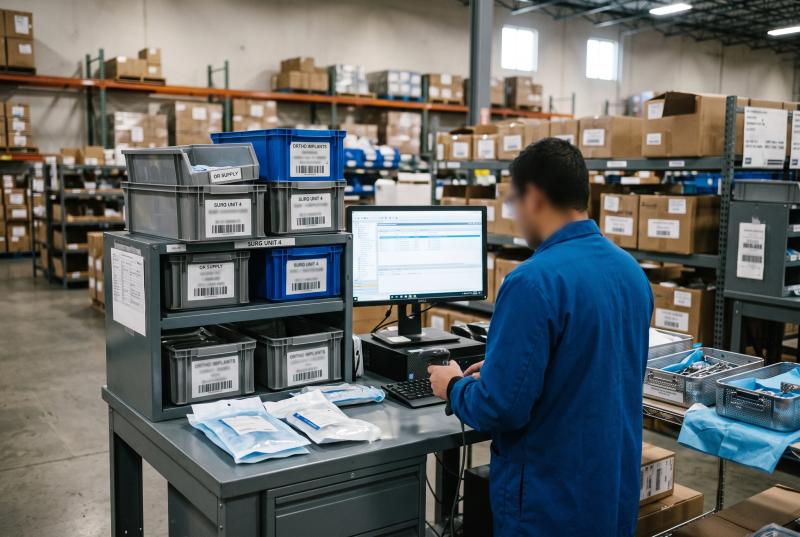
The new UDI measure is not a mandate for barcode, BLE, or RTLS technology. It is a stronger signal that hospitals, manufacturers, and distributors need reliable device data from inventory through implantation.
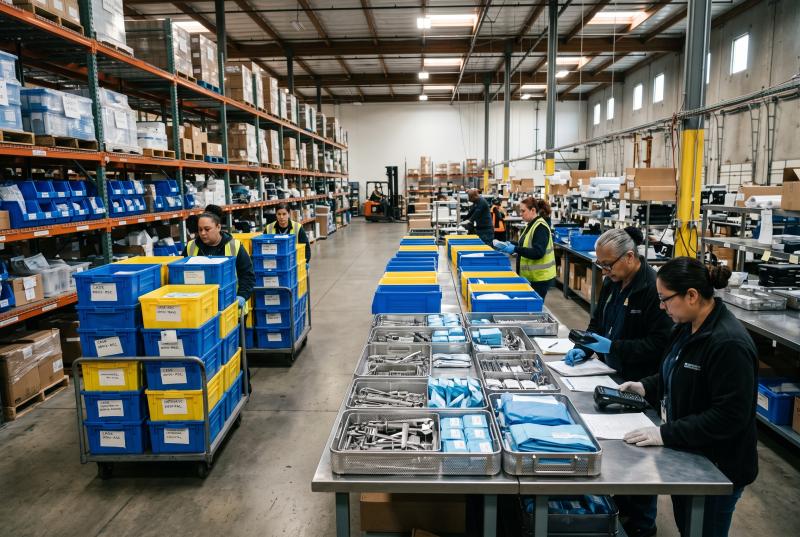
The first hours of a tray or kit recall are usually treated as a documentation exercise. In practice, they are a location problem spread across warehouses, hospitals, ASCs, sterile processing, and the...

The FDA’s new quality system framework raises the standard for manufacturer oversight. It also exposes a quieter operational weakness: teams still cannot reliably say where critical trays, loan sets, and implant inventory...
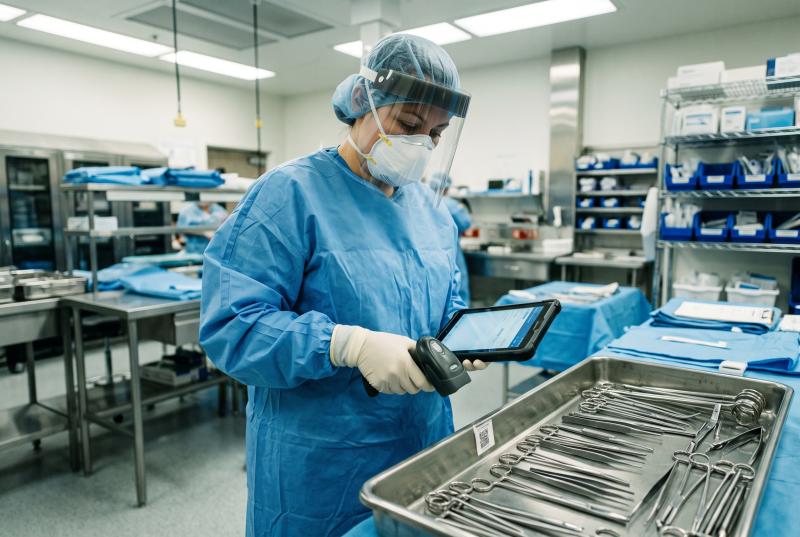
Medicare now requires hospitals to capture the complete UDI for every implant used in surgery, starting in 2027. Most orthopaedic teams still pack surgical sets in a truck the night before. A...
No stories in this category yet.
Book a quick demo. No pressure, no pitch deck — just the product.
Or reach out at [email protected]